
COVID-19
Key points
- COVID-19: the illness caused by SARS-CoV-2, a coronavirus that binds ACE2 receptors via its spike protein, spread by respiratory droplets and aerosols.
- Spectrum of severity: from asymptomatic infection through mild upper respiratory illness to pneumonia, hypoxaemic respiratory failure and ARDS.
- Silent hypoxia: a recognised phenomenon where oxygen saturations fall significantly with little or no proportionate breathlessness - always check saturations rather than relying on how breathless a patient looks.
- Dexamethasone: the RECOVERY trial showed a clear mortality benefit in patients requiring oxygen or ventilation, but no benefit - and a signal of possible harm - in those who did not need oxygen.
- Thromboprophylaxis: hospitalised patients have a markedly increased VTE risk and require prophylactic anticoagulation unless contraindicated.
- Vaccination: substantially reduces severe disease, hospitalisation and death; rare but recognised complications include myocarditis (mRNA vaccines) and vaccine-induced immune thrombotic thrombocytopenia (adenoviral vector vaccines).
- Complications: venous thromboembolism, myocarditis, PIMS-TS in children, and long COVID - persistent symptoms beyond 12 weeks.
Introduction
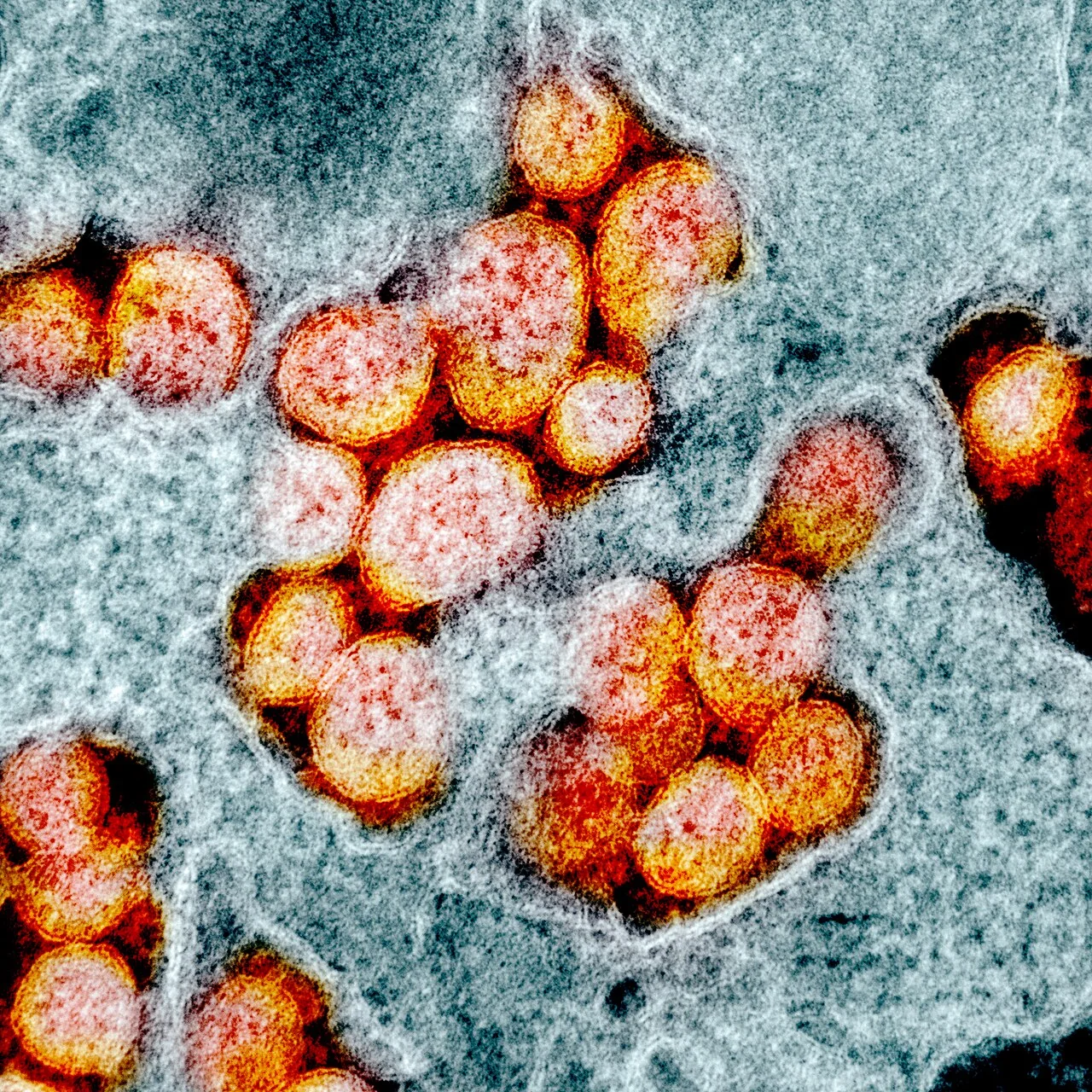
COVID-19 is caused by SARS-CoV-2, a coronavirus first identified in late 2019 that produced a global pandemic through 2020-2022 and remains in ongoing circulation as an endemic respiratory pathogen. The virus's spike protein binds the ACE2 receptor, which is expressed on respiratory epithelium as well as vascular endothelium, cardiac and renal tissue - a distribution that explains both its primary respiratory tropism and its capacity to cause multisystem complications in severe disease.
It is examined heavily not because it is diagnostically difficult, but because it tests a body of practice-changing evidence generated at exceptional speed - most notably the UK's RECOVERY trial - and because it illustrates general principles of respiratory failure, thromboprophylaxis and vaccine safety that apply well beyond this one virus.
Transmission and pathophysiology
Spread is predominantly by respiratory droplets and aerosols, with a typical incubation period of around 5-6 days (range roughly 2-14 days). Viral replication in the upper and lower respiratory tract drives the initial illness; in a minority of patients, around 1-2 weeks after symptom onset, a hyperinflammatory phase develops, marked by a surge in inflammatory cytokines, endothelial dysfunction, and a strongly prothrombotic state - this second phase, rather than direct viral cytotoxicity alone, underlies most severe and critical disease.
Clinical features and severity
- Fever
- Dry cough
- Fatigue and myalgia
- Anosmia and ageusia (loss of smell and taste) - a distinctive early feature of the original strains, less consistently seen with more recent variants
- Sore throat, headache and coryzal symptoms
- Dyspnoea, in more significant disease, reflecting progression to pneumonia
| Category | Features |
|---|---|
| Mild | Upper respiratory symptoms without breathlessness or radiological changes |
| Moderate | Clinical or radiological evidence of pneumonia, with SpO₂ ≥94% on air |
| Severe | Pneumonia with SpO₂ <94% on air, or significant respiratory distress |
| Critical | ARDS, septic shock, or multi-organ dysfunction |
Risk factors for severe disease
- Older age - the single strongest predictor
- Obesity
- Diabetes mellitus
- Cardiovascular disease
- Chronic respiratory disease
- Chronic kidney disease
- Immunosuppression
- Pregnancy
- Being unvaccinated or not up to date with vaccination
- UK surveillance data identified higher risk in some Black and South Asian populations, reflecting a combination of higher rates of relevant comorbidity, occupational exposure and socioeconomic factors rather than ethnicity as an independent biological risk factor in isolation
Investigations
- PCR (nasopharyngeal or throat swab) - the gold standard diagnostic test
- Lateral flow antigen testing - rapid, useful for triage and self-testing, but less sensitive than PCR, particularly early in infection or with a low viral load
- Pulse oximetry - essential in every assessment, given the risk of silent hypoxia
- Chest X-ray or CT - not required to make the diagnosis, but useful to assess the extent of pneumonia in more unwell patients; CT classically shows bilateral, peripheral ground-glass opacities
- Bloods in hospitalised patients - FBC (lymphopenia is common and associated with more severe disease), CRP, ferritin (a marker of the hyperinflammatory phase), D-dimer (frequently raised, reflecting the prothrombotic state), LDH, and troponin if cardiac involvement is suspected
Differential diagnosis
- Influenza and other respiratory viruses - clinically similar; co-circulation means testing is often needed to distinguish them
- Community-acquired bacterial pneumonia - can also complicate or follow COVID-19
- Pulmonary embolism - can present with similar breathlessness and hypoxia, and can coexist with COVID-19 given the shared prothrombotic tendency
Management
Mild disease
Supportive care - rest, fluids, antipyretics and analgesia - is sufficient for the great majority of cases, managed in the community.
Oxygen and respiratory support
Standard target saturations of 94-98% apply (88-92% in patients at risk of type 2 respiratory failure), escalating through standard oxygen, continuous positive airway pressure (CPAP) or high-flow nasal oxygen, and invasive ventilation according to the same principles used in any hypoxaemic respiratory failure. Proning (positioning the awake or ventilated patient prone) improves oxygenation in hypoxaemic COVID-19 pneumonia and is used at multiple points along this pathway.
Dexamethasone: the RECOVERY trial
The UK RECOVERY trial found that dexamethasone (6 mg once daily for up to 10 days) significantly reduced 28-day mortality in patients requiring supplemental oxygen or ventilation, with the greatest benefit seen in those on invasive mechanical ventilation.1
Antivirals and immunomodulators
- Nirmatrelvir/ritonavir or molnupiravir - oral antivirals for selected high-risk outpatients, most effective when started early in the illness
- Remdesivir - an IV antiviral used in specific hospitalised patient groups, per current national guidance
- Tocilizumab or other IL-6 pathway inhibitors - considered in selected patients with severe, progressive hyperinflammatory disease, alongside dexamethasone
- Monoclonal antibodies (for example sotrovimab) for specific high-risk, non-hospitalised patients - efficacy has varied significantly with circulating variant, since these agents target the spike protein directly
Thromboprophylaxis
Hospitalised patients with COVID-19 have a substantially increased risk of venous thromboembolism and should receive prophylactic-dose anticoagulation unless contraindicated by active bleeding or another clear reason - this is standard practice across admissions, not an optional extra.
Vaccination
Vaccination substantially reduces the risk of severe disease, hospitalisation and death. UK programmes have used mRNA vaccines (Pfizer-BioNTech, Moderna) and, earlier in the pandemic, an adenoviral vector vaccine (Oxford-AstraZeneca, now largely discontinued in the UK).
| Complication | Associated vaccine type | Features |
|---|---|---|
| Myocarditis/pericarditis | mRNA vaccines | Rare; disproportionately affects young males, usually mild and self-limiting, typically within days of vaccination (more often after the second dose) |
| Vaccine-induced immune thrombotic thrombocytopenia (VITT) | Adenoviral vector vaccines | Rare; thrombosis (often at unusual sites, e.g. cerebral venous sinus) with thrombocytopenia, driven by antibodies against platelet factor 4 - mechanistically similar to heparin-induced thrombocytopenia |
Complications
- Venous thromboembolism - both PE and DVT, reflecting the virus's strongly prothrombotic effect
- ARDS - the dominant cause of death in critical disease
- Myocarditis and other cardiac complications
- Acute kidney injury
- Secondary bacterial pneumonia
- PIMS-TS (paediatric inflammatory multisystem syndrome temporally associated with SARS-CoV-2), also called MIS-C - a delayed, Kawasaki-like hyperinflammatory syndrome in children, typically 2-6 weeks after infection, with persistent fever, rash, conjunctivitis, gastrointestinal symptoms and a risk of cardiac involvement including coronary artery aneurysms
- Long COVID - persistent symptoms beyond 12 weeks not explained by an alternative diagnosis, commonly fatigue, breathlessness, cognitive impairment ("brain fog"), and myalgia, now a well-recognised and often disabling condition in its own right
Red flags
Prognosis
Most infections are mild and self-limiting, particularly in vaccinated individuals and with more recent, generally less severe circulating variants. Severe and critical disease, and mortality, are concentrated in the risk groups above, and vaccination has been the single most effective intervention in reducing these outcomes at a population level. Long COVID represents a significant ongoing burden even after apparently mild acute illness, and its risk does not track neatly with the severity of the initial infection.
References
- RECOVERY Collaborative Group. Dexamethasone in hospitalized patients with Covid-19. New England Journal of Medicine. 2021. Available here
- NICE NG191. COVID-19 rapid guideline: managing COVID-19. Available here
- UK Health Security Agency. COVID-19: guidance and support. Available here
- NICE NG188. COVID-19 rapid guideline: managing the long-term effects of COVID-19. Available here
- Royal College of Paediatrics and Child Health. Paediatric multisystem inflammatory syndrome temporally associated with COVID-19 (PIMS-TS): guidance. Available here
This article is written for revision and education. It is not clinical guidance and must not be used to make decisions about the care of a patient. Always check current NICE guidance and local protocols.