
Vasculitis: An Overview
Key points
- Vasculitis: inflammation of blood vessel walls, classified by the calibre of vessel predominantly affected - large, medium or small - which broadly predicts the clinical pattern.
- ANCA-associated vasculitis: granulomatosis with polyangiitis (GPA), microscopic polyangiitis (MPA) and eosinophilic granulomatosis with polyangiitis (EGPA) - small vessel vasculitides linked to ANCA antibodies and capable of causing a life-threatening pulmonary-renal syndrome.
- c-ANCA/PR3: associated with GPA - upper and lower respiratory tract granulomas plus glomerulonephritis.
- p-ANCA/MPO: associated with MPA and EGPA - glomerulonephritis without the granulomatous upper airway disease of GPA.
- Polyarteritis nodosa: a medium vessel vasculitis, ANCA-negative, associated with hepatitis B, causing renovascular hypertension, mononeuritis multiplex, and mesenteric ischaemia - it spares the lungs.
- IgA vasculitis (Henoch-Schonlein purpura): the commonest vasculitis of childhood, causing palpable purpura over the buttocks/legs, arthralgia, abdominal pain and IgA nephropathy, usually following an upper respiratory infection.
- Pulmonary-renal syndrome: haemoptysis with rapidly deteriorating renal function is a medical emergency - suspect ANCA-associated vasculitis or anti-GBM disease and start treatment urgently.
- Induction therapy: high-dose corticosteroids plus cyclophosphamide or rituximab for severe ANCA-associated vasculitis, with plasma exchange for life- or organ-threatening disease.
Introduction
Vasculitis describes a group of conditions united by inflammation of blood vessel walls, which can cause vessel narrowing (ischaemia), occlusion (infarction) or weakening (aneurysm and rupture). The Chapel Hill classification organises the vasculitides by the predominant size of vessel affected, and this single organising principle predicts most of the clinical picture, which is why it is the framework worth memorising.1
Giant cell arteritis and polymyalgia rheumatica - the large vessel vasculitis you will meet most often in clinical practice - are covered in their own articles given how frequently they are examined. This article covers the rest of the spectrum: the ANCA-associated small vessel vasculitides, polyarteritis nodosa as the prototype medium vessel vasculitis, and IgA vasculitis as the classic small vessel immune-complex vasculitis of childhood.
| Vessel size | Examples |
|---|---|
| Large vessel | Giant cell arteritis, Takayasu arteritis |
| Medium vessel | Polyarteritis nodosa, Kawasaki disease |
| Small vessel (ANCA-associated) | Granulomatosis with polyangiitis (GPA), microscopic polyangiitis (MPA), eosinophilic granulomatosis with polyangiitis (EGPA) |
| Small vessel (immune complex) | IgA vasculitis (Henoch-Schonlein purpura), cryoglobulinaemic vasculitis, anti-GBM disease |
ANCA-associated vasculitis
The three ANCA-associated vasculitides share a tendency to cause necrotising inflammation of small vessels, most dangerously in the kidney (a pauci-immune, crescentic glomerulonephritis with little immune complex deposition on biopsy) and lung (capillaritis causing diffuse alveolar haemorrhage), but differ in their other features and antibody associations.2
| Condition | Antibody | Distinguishing features |
|---|---|---|
| Granulomatosis with polyangiitis (GPA) | c-ANCA / anti-PR3 (most) | Upper respiratory tract granulomas - sinusitis, epistaxis, saddle-nose deformity; lower respiratory tract nodules/cavitation; glomerulonephritis |
| Microscopic polyangiitis (MPA) | p-ANCA / anti-MPO (most) | Glomerulonephritis and pulmonary capillaritis, without the granulomatous upper airway disease of GPA |
| Eosinophilic granulomatosis with polyangiitis (EGPA) | p-ANCA / anti-MPO (about 40%) | Late-onset asthma, marked peripheral eosinophilia, and vasculitis - often with cardiac and neurological involvement (mononeuritis multiplex) |
Shared clinical features
- Constitutional symptoms - fever, weight loss, fatigue, arthralgia
- Renal - haematuria, proteinuria and rapidly progressive glomerulonephritis, often initially asymptomatic
- Pulmonary - haemoptysis and breathlessness from alveolar haemorrhage; nodules or cavitating lesions particularly in GPA
- ENT (GPA especially) - chronic sinusitis, epistaxis, nasal crusting, and eventually saddle-nose deformity from cartilage destruction
- Skin - palpable purpura, ulceration
- Neurological - mononeuritis multiplex, particularly prominent in EGPA
- Eye - scleritis, episcleritis
Polyarteritis nodosa
Polyarteritis nodosa (PAN) is a medium vessel vasculitis, classically ANCA-negative, with a well-recognised association with hepatitis B infection. It causes segmental, transmural necrotising inflammation of medium-sized arteries, producing microaneurysms that are visible on angiography.
- Renal - renovascular hypertension and renal infarction from arterial involvement, rather than the glomerulonephritis seen in ANCA vasculitis
- Skin - livedo reticularis, subcutaneous nodules along the course of affected arteries, ulceration
- Neurological - mononeuritis multiplex from vasa nervorum involvement
- Gastrointestinal - abdominal pain, mesenteric ischaemia, and risk of bowel perforation
- Constitutional - fever, weight loss, myalgia
IgA vasculitis (Henoch-Schonlein purpura)
IgA vasculitis, previously known as Henoch-Schonlein purpura, is the commonest vasculitis of childhood, typically occurring in children aged 3-10, often 1-2 weeks after an upper respiratory tract infection. It is caused by IgA immune complex deposition in small vessels of the skin, joints, gut and kidney.3
The classic tetrad is:
- Palpable purpura, characteristically over the buttocks and extensor surfaces of the lower limbs, not blanching on pressure
- Arthralgia/arthritis, typically affecting the knees and ankles
- Abdominal pain, from vasculitis of the gut wall - can mimic an acute abdomen and, rarely, causes intussusception
- Renal involvement - haematuria and proteinuria from an IgA nephropathy-like glomerulonephritis, which determines long-term prognosis
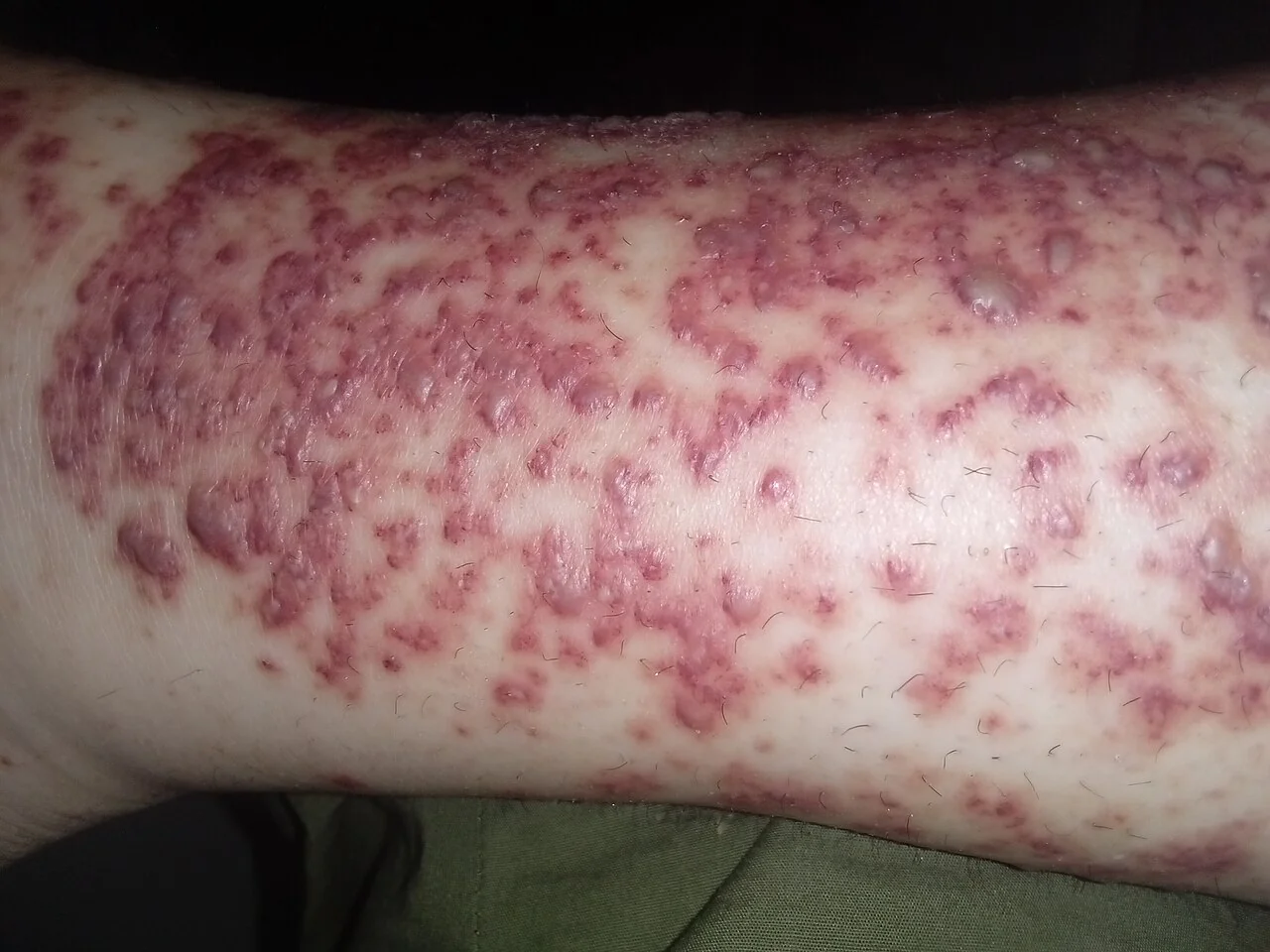
Management is largely supportive - rest, hydration, and NSAIDs or paracetamol for joint pain (used cautiously if there is renal involvement). Corticosteroids may help significant abdominal pain, though they do not clearly alter the renal outcome. Urinalysis and blood pressure should be monitored for at least 6 months, since renal involvement can develop or evolve after the acute illness has settled, and a minority of children go on to chronic kidney disease.
Investigations
- ANCA (with PR3 and MPO subtyping) - positive in most GPA and MPA, and around 40% of EGPA
- FBC - marked eosinophilia in EGPA; normocytic anaemia and thrombocytosis in active disease generally
- CRP/ESR - raised, tracking disease activity
- U&Es, urinalysis and urine protein:creatinine ratio - essential in any suspected vasculitis to detect glomerulonephritis early, often before symptoms develop
- Hepatitis B serology - in suspected PAN
- Chest imaging - nodules, cavitation or infiltrates in ANCA-associated vasculitis
- Biopsy - of an affected organ (kidney, skin, nerve) remains the definitive diagnostic step and guides treatment intensity; renal biopsy classically shows a pauci-immune, crescentic glomerulonephritis in ANCA-associated disease
- CT/catheter angiography - shows the microaneurysms characteristic of PAN
Management
Treatment of the systemic vasculitides is stratified by organ involvement and severity.4
ANCA-associated vasculitis
- Induction - high-dose corticosteroids combined with either cyclophosphamide or rituximab, for organ- or life-threatening disease
- Plasma exchange - added for severe presentations, particularly rapidly progressive glomerulonephritis or diffuse alveolar haemorrhage
- Maintenance - a less intensive regimen (azathioprine, methotrexate, or continued low-dose rituximab) once remission is achieved, to reduce relapse
- Co-trimoxazole - reduces relapse in GPA affecting the upper respiratory tract, and provides Pneumocystis prophylaxis during immunosuppression
Polyarteritis nodosa
Where hepatitis B-associated, treatment combines antiviral therapy with corticosteroids and, for severe disease, plasma exchange, rather than relying on cyclophosphamide, to avoid worsening viral replication. Idiopathic (non-HBV) PAN is treated with corticosteroids, adding cyclophosphamide for severe disease.
Complications
Untreated small and medium vessel vasculitis causes progressive, often irreversible organ damage - end-stage renal failure, pulmonary fibrosis after alveolar haemorrhage, mesenteric infarction, and permanent neurological deficits from mononeuritis multiplex. Treatment itself carries substantial risk from prolonged immunosuppression, particularly infection and the cumulative toxicities of cyclophosphamide and long-term corticosteroids.
Red flags
Prognosis
With modern immunosuppressive treatment, remission is achieved in the majority of patients with ANCA-associated vasculitis, though relapse is common and long-term monitoring is needed. Renal involvement at diagnosis is the strongest predictor of long-term outcome across most of these conditions. IgA vasculitis in children is usually self-limiting, with the great majority recovering fully, though ongoing renal monitoring is needed to catch the minority who develop persistent nephropathy. PAN prognosis depends heavily on whether it is hepatitis B-associated (which resolves with viral control) or idiopathic, and on the extent of organ involvement at presentation.
References
- Jennette JC, Falk RJ, Bacon PA et al. 2012 revised International Chapel Hill Consensus Conference nomenclature of vasculitides. Arthritis & Rheumatism. 2013. Available here
- NICE Clinical Knowledge Summaries. Vasculitis. Available here
- Chung SA, Langford CA, Maz M et al. 2021 American College of Rheumatology/Vasculitis Foundation guideline for the management of ANCA-associated vasculitis. Arthritis & Rheumatology. 2021. Available here
- NICE Clinical Knowledge Summaries. Henoch-Schonlein purpura. Available here
- Jennette JC, Nachman PH. ANCA glomerulonephritis and vasculitis. Clinical Journal of the American Society of Nephrology. 2017. Available here
This article is written for revision and education. It is not clinical guidance and must not be used to make decisions about the care of a patient. Always check current NICE guidance and local protocols.