
Cellulitis and Skin Abscess
Key points
- Cellulitis: acute, spreading bacterial infection of the dermis and subcutaneous tissue, with poorly demarcated borders and systemic upset - usually Streptococcus pyogenes or Staphylococcus aureus.
- Erysipelas: a more superficial variant confined to the upper dermis and lymphatics, with a sharply demarcated, raised edge - almost always Streptococcus pyogenes.
- Skin abscess: a localised collection of pus in the dermis or subcutaneous tissue, usually Staphylococcus aureus - fluctuant, tender, and treated primarily by incision and drainage, not antibiotics.
- Diagnosis: clinical, from the appearance and distribution - swabs and blood tests rarely change initial management in mild disease.
- Severity grading: the Eron classification (I-IV) determines oral versus IV antibiotics and the need for admission.
- First-line antibiotic: flucloxacillin, which covers both streptococci and staphylococci; co-amoxiclav for facial cellulitis or bite wounds.
- Abscess management: incision and drainage is the primary treatment; antibiotics are an adjunct, reserved for surrounding cellulitis, systemic upset or specific risk factors.
- Red flag: pain out of proportion to the visible signs, rapidly spreading erythema, skin necrosis, bullae, crepitus or systemic toxicity must raise suspicion of necrotising fasciitis.
Introduction
Cellulitis is an acute bacterial infection of the dermis and subcutaneous tissue, causing spreading erythema, warmth, swelling and pain, usually on a limb. It is one of the commonest reasons for hospital admission with a skin condition in the UK and a very frequent OSCE station, because most of the diagnosis and the decision to admit rests on the history and examination alone.1
Erysipelas is a related but more superficial infection, confined to the upper dermis and superficial lymphatics. It produces a sharply demarcated, raised, often bright red edge that you can trace with a finger, in contrast to the poorly defined margin of cellulitis - though in practice the two overlap and are managed the same way.
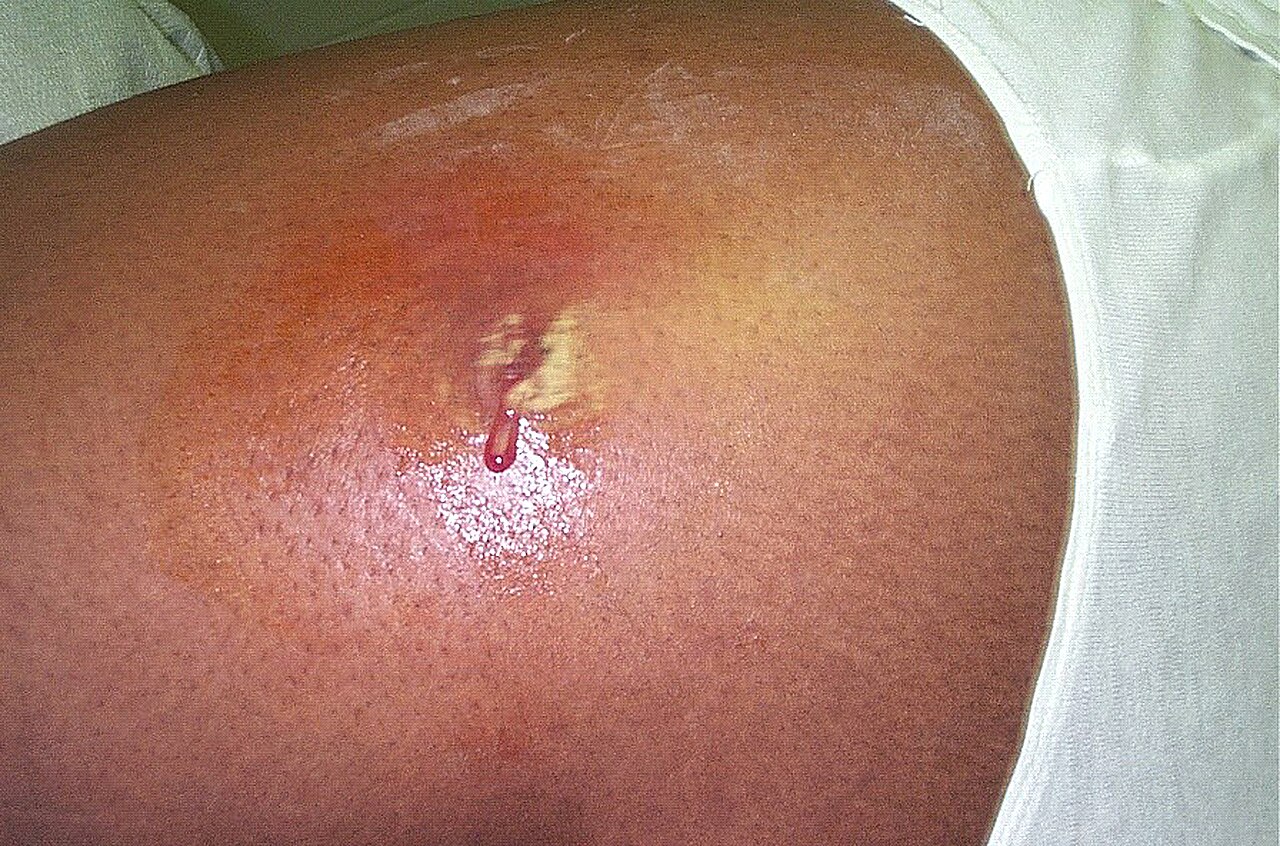
A skin abscess is a separate entity: a walled-off collection of pus within the dermis or subcutaneous tissue, presenting as a tender, fluctuant swelling that may or may not have surrounding cellulitis. The distinction matters because an abscess needs drainage - antibiotics alone will not cure it, however well chosen.
Aetiology
The two organisms that matter are Streptococcus pyogenes (Group A Streptococcus) and Staphylococcus aureus, and empirical antibiotic choice is built around covering both. Erysipelas is almost always streptococcal; cellulitis is caused by either or both organisms; a skin abscess is most often staphylococcal, including community-associated MRSA in some populations.
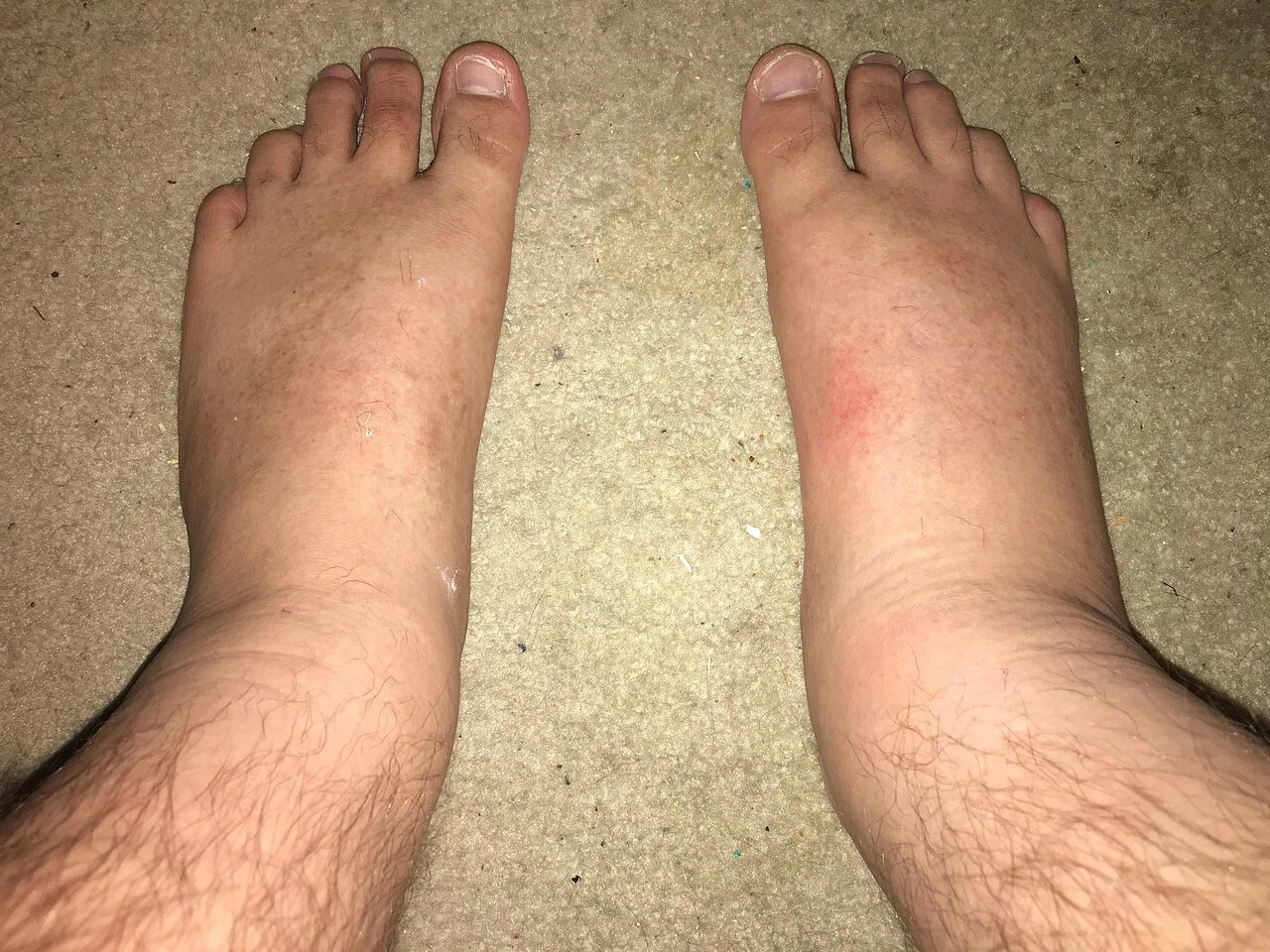
Bacteria enter through a breach in the skin barrier, which is often minor and may not be remembered by the patient. Recognising the portal of entry both explains the infection and, if it is left untreated, explains why cellulitis recurs.
- Tinea pedis (athlete's foot) - a very common and frequently overlooked entry point for lower leg cellulitis
- Eczema, psoriasis or other chronic dermatoses that break skin integrity
- Wounds, ulcers, insect bites and IV drug injection sites
- Recent surgery or cannulation
- Lymphoedema and chronic venous insufficiency, which both impair local immune clearance and predispose to recurrent episodes
Risk factors
- Obesity
- Diabetes mellitus
- Immunosuppression, including chemotherapy and long-term steroids
- Lymphoedema or previous episodes of cellulitis in the same limb
- Chronic venous insufficiency and leg oedema
- Peripheral vascular disease
- IV drug use
- Older age
Clinical features
Cellulitis and erysipelas present with the cardinal signs of local infection - erythema, warmth, swelling and pain or tenderness - typically unilateral and affecting a lower limb, though it can occur anywhere including the face. Systemic upset, with fever, malaise and rigors, is common and its severity is central to grading the episode.
- Erythema - diffuse and poorly demarcated in cellulitis; sharply raised and well demarcated in erysipelas
- Lymphangitis - visible red streaking tracking towards the regional lymph nodes
- Regional lymphadenopathy
- Blistering or bullae can occur in more severe cellulitis without necessarily indicating necrotising infection, but should always raise that possibility
- Systemic features - fever, tachycardia, rigors, and in more severe cases, features of sepsis
A skin abscess presents as a localised, tender, fluctuant swelling, often with overlying erythema, and may point or discharge spontaneously. Surrounding cellulitis and systemic upset can coexist but are not required for the diagnosis.
Clinical examination
- Define and mark the extent of erythema, and assess for warmth, tenderness and swelling
- Palpate for fluctuance suggesting an underlying abscess
- Assess for lymphangitis and regional lymphadenopathy
- Look specifically for the portal of entry - interdigital tinea pedis, a wound, an ulcer, an injection site
- Check distal neurovascular status and compare with the contralateral limb
- Assess systemic observations and calculate a NEWS2 score
- Actively look for and exclude red flags for necrotising fasciitis - pain disproportionate to the visible signs, rapidly progressive spread, skin necrosis, crepitus, and systemic toxicity out of keeping with the local appearance
Differential diagnosis
- Deep vein thrombosis - swelling and tenderness without the same degree of warmth and erythema, though the two can coexist; consider imaging if the diagnosis is unclear
- Necrotising fasciitis - a surgical emergency and the differential that must never be missed; suspect it when pain, systemic toxicity or the speed of spread outstrip the visible skin changes
- Venous eczema (stasis dermatitis) and lipodermatosclerosis - usually bilateral, chronic and itchy rather than acutely painful, though acute-on-chronic flares can mimic cellulitis
- Contact dermatitis - itchy rather than painful, and typically without systemic upset
- Gout or septic arthritis - if the swelling is centred over a joint
- Erythema nodosum - tender nodules, usually bilateral over the shins, without spreading erythema
- Superficial thrombophlebitis - a tender, cord-like vein rather than diffuse infection
Investigations
Cellulitis is a clinical diagnosis, and mild cases (Eron I, below) generally need no investigation beyond the examination itself.
- FBC, CRP and U&Es - for anyone systemically unwell, to assess severity and guide antibiotic dosing
- Blood cultures - if there are features of sepsis, before starting IV antibiotics
- Wound or skin swab - if there is an open wound, a discharging point, or a suspicion of an atypical or resistant organism
- Pus from an incised or spontaneously discharging abscess should be sent for culture and sensitivity
- Ultrasound - if an underlying abscess is suspected clinically but fluctuance is equivocal, or to help exclude a DVT when the diagnosis is unclear
- Marking the margin, as above, functions as a bedside investigation in its own right
Management
Management depends on severity, assessed using the Eron classification, which underpins UK antimicrobial guidance and the decision between outpatient oral treatment, ambulatory IV treatment and admission.2
| Class | Features | Typical management |
|---|---|---|
| I | No signs of systemic toxicity, no uncontrolled comorbidity | Oral antibiotics, outpatient |
| II | Systemically unwell OR systemically well but with a comorbidity that may complicate or delay resolution (e.g. peripheral vascular disease, obesity) | Oral or ambulatory IV antibiotics, outpatient management where services allow |
| III | Significant systemic upset (e.g. acute confusion, tachycardia, tachypnoea, hypotension) or unstable comorbidities that may interfere with response, or a limb-threatening infection | Admission for IV antibiotics |
| IV | Sepsis syndrome or a severe life-threatening infection such as necrotising fasciitis | Emergency admission, senior review, consider surgical input |
Antibiotic choice
Flucloxacillin is first line, because it reliably covers both Streptococcus pyogenes and Staphylococcus aureus. Co-amoxiclav is preferred for facial cellulitis, periorbital involvement, or bite wounds, to cover the additional organisms involved. In penicillin allergy, clarithromycin, doxycycline or clindamycin are used depending on severity and local guidance.3 Where MRSA is a concern, local microbiology advice should guide the choice.
Patients are reviewed at around 48 hours: worsening or unchanged erythema beyond this point should prompt reconsideration of the diagnosis, the antibiotic choice, or the possibility of an undrained collection, rather than simply extending the same course.
Abscess management
Incision and drainage is the primary treatment for a skin abscess. Antibiotics alone rarely cure a walled-off collection, because they cannot penetrate pus in adequate concentration. Antibiotics are added as an adjunct to drainage when there is surrounding cellulitis, systemic upset, immunosuppression, extremes of age, a high-risk site (face, hand, genitalia), or multiple lesions.
General measures
- Elevate the affected limb to reduce swelling
- Analgesia for pain
- Treat the portal of entry - for example, antifungal treatment for tinea pedis, to reduce the risk of recurrence
- Mark and monitor the margin at each review
Complications
- Abscess formation within an area of cellulitis
- Spreading infection and bacteraemia, with progression to sepsis
- Necrotising fasciitis - the complication that must never be missed
- Post-infective lymphoedema, which in turn predisposes to further episodes - a vicious cycle in patients with recurrent cellulitis
- Chronic or recurrent cellulitis, particularly with unaddressed risk factors such as lymphoedema, obesity or untreated tinea pedis
Red flags
Prognosis
Most cellulitis resolves fully with appropriate antibiotics, usually within 1-2 weeks, though the erythema can take longer to settle than the pain and systemic symptoms. Recurrence is common where an underlying risk factor - lymphoedema, venous insufficiency, obesity, or untreated tinea pedis - is not addressed, and some patients go on to develop a self-perpetuating cycle of infection and worsening lymphoedema. Prophylactic low-dose antibiotics are considered in those with two or more episodes in a year despite managing modifiable risk factors.
References
- NICE Clinical Knowledge Summaries. Cellulitis - acute. Available here
- Eron LJ, Lipsky BA, Low DE et al. Managing skin and soft tissue infections: expert panel recommendations on key decision points. Journal of Antimicrobial Chemotherapy. 2003. Available here
- NICE NG141. Cellulitis and erysipelas: antimicrobial prescribing. 2019. Available here
- British Lymphology Society and Lymphoedema Support Network. Consensus document on the management of cellulitis in lymphoedema. 2016. Available here
- Stevens DL, Bisno AL, Chambers HF et al. Practice guidelines for the diagnosis and management of skin and soft tissue infections. Clinical Infectious Diseases. 2014. Available here
This article is written for revision and education. It is not clinical guidance and must not be used to make decisions about the care of a patient. Always check current NICE guidance and local protocols.